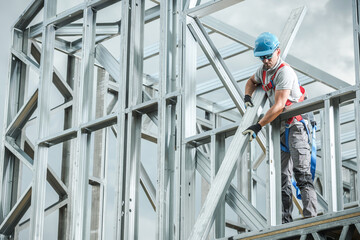
Building services are no longer just a background component of construction; they are now a central part of how modern properties are designed, delivered, and maintained. In contemporary construction, building services refer to all the systems that make a structure functional, comfortable, safe, and energy efficient. This includes mechanical, electrical, plumbing, structural, and environmental systems working together as one coordinated framework rather than separate, isolated installations.
A more modern focus on building services emphasizes integration and performance. Instead of treating construction as simply erecting walls and adding utilities afterward, today’s approach involves designing systems in parallel from the earliest planning stages. This shift improves efficiency, reduces long-term operational costs, and creates buildings that perform better across their entire lifecycle.
Integrated Building Services in Modern Construction Design
One of the most important developments in building services is the move toward integrated design. This means all core systems are planned together rather than independently. Electrical layouts, plumbing routes, HVAC positioning, and structural elements are coordinated from the outset to avoid conflicts, redundancies, or inefficiencies.
Integrated building services reduce construction delays and prevent costly redesigns during later phases. When systems are properly coordinated, installation becomes smoother, maintenance becomes easier, and overall building performance improves significantly.
Key aspects of integrated building services include:
- Coordinated mechanical and electrical system planning
- Early-stage collaboration between engineering disciplines
- Space optimization for ducts, pipes, and wiring
- Reduced system conflicts during construction
- Improved long-term accessibility for maintenance
This integrated approach is now considered a standard expectation in modern construction projects.
Mechanical and Electrical Systems as Core Building Infrastructure
Mechanical and electrical (M&E) systems form the operational backbone of any building. These systems control energy distribution, lighting, ventilation, climate regulation, and equipment functionality. Without properly designed M&E systems, even structurally sound buildings fail to meet usability and comfort requirements.
In modern building services, M&E systems are designed with efficiency and adaptability in mind. Energy demand, occupancy levels, and environmental conditions are all considered during planning to ensure optimal performance.
Common M&E components include:
- Electrical power distribution networks
- Lighting systems with energy-efficient controls
- Heating and cooling systems for temperature regulation
- Ventilation systems for air circulation and quality control
- Backup power and emergency systems
When these systems are well integrated, they reduce energy consumption while improving user comfort and safety.
Smart Building Services and Automation Systems
A major shift in modern building services is the adoption of smart technology and automation. Buildings are increasingly equipped with digital systems that monitor and control energy usage, lighting, security, and climate in real time.
Smart building services use sensors, controllers, and centralized systems to adjust performance based on occupancy and environmental conditions. This reduces waste and enhances operational efficiency without requiring constant manual intervention.
Examples of smart building integration include:
- Automated lighting systems with motion detection
- Smart thermostats for climate control optimization
- Energy monitoring dashboards for consumption tracking
- Automated security and access control systems
- Remote building management platforms
These systems improve efficiency while also increasing convenience and control for property owners and facility managers.
Energy Performance and Sustainable Building Services
Sustainability has become a defining factor in modern building services. Energy performance is no longer an optional consideration but a core requirement in design and construction. Buildings are expected to minimize energy consumption, reduce environmental impact, and support long-term efficiency.
Sustainable building services focus on optimizing systems so that they consume fewer resources while maintaining or improving performance. This includes energy-efficient HVAC systems, advanced insulation strategies, and low-energy lighting solutions.
Key sustainability strategies include:
- High-efficiency heating and cooling systems
- LED lighting and smart energy controls
- Insulated building envelopes for thermal regulation
- Water-efficient plumbing systems
- Renewable energy integration such as solar systems
These measures help reduce operational costs while supporting environmental responsibility.
Plumbing and Water Efficiency in Modern Building Systems
Modern plumbing systems are designed not only for functionality but also for efficiency and conservation. Water management is a key component of building services, particularly in large-scale developments where consumption levels are high.
Efficient plumbing systems minimize waste, prevent leaks, and ensure reliable water distribution throughout the structure. Advanced materials and monitoring systems help detect issues early and maintain consistent performance.
Important plumbing service elements include:
- Efficient water distribution design
- Leak detection and prevention systems
- Greywater recycling and reuse systems
- Low-flow fixtures and water-saving technology
- Pressure regulation and system balancing
These improvements reduce water consumption and support sustainable building operations.
HVAC Optimization and Indoor Environmental Quality
Heating, ventilation, and air conditioning systems are essential for maintaining indoor environmental quality. In modern building services, HVAC systems are designed with precision to balance comfort, air quality, and energy efficiency.
Rather than simply heating or cooling spaces, advanced HVAC systems adjust dynamically based on occupancy, weather conditions, and air quality readings. This ensures consistent comfort while minimizing energy use.
Key HVAC optimization features include:
- Zoned climate control systems
- Demand-based ventilation adjustments
- Air filtration and purification systems
- Energy recovery ventilation technology
- Smart temperature regulation systems
These systems contribute significantly to occupant health and overall building performance.
Lifecycle Maintenance and Predictive Building Management
Another modern focus in building services is lifecycle management. Instead of reactive repairs, buildings are now managed using predictive maintenance strategies. This approach uses monitoring systems and data analysis to identify potential issues before they become serious failures.
Predictive maintenance improves efficiency and reduces long-term repair costs. It also minimizes downtime and extends the lifespan of building systems.
Lifecycle maintenance strategies include:
- Routine system monitoring and diagnostics
- Predictive failure detection using sensor data
- Scheduled maintenance based on usage patterns
- Performance optimization of aging systems
- Asset tracking and system documentation
This approach ensures buildings remain functional and efficient throughout their lifespan.
Coordination Between Construction Phases and Building Services
Building services must be carefully coordinated with each phase of construction, from initial design to final finishing. Poor coordination can lead to system clashes, inefficiencies, and costly redesigns.
Modern construction projects rely on detailed planning models to ensure that all services fit together seamlessly. This reduces delays and improves overall project quality.
Key coordination priorities include:
- Early integration of service layouts in design stages
- Coordination between structural and mechanical systems
- Efficient space planning for service routes
- Avoidance of system overlap and interference
- Streamlined installation sequencing
Proper coordination ensures smoother construction and higher-quality outcomes.
The Future of Building Services in Construction
Building services continue to evolve as technology and sustainability standards advance. Future developments are expected to focus even more on automation, energy independence, and intelligent system integration.
Buildings are increasingly being designed as interconnected systems rather than static structures. This shift will continue to improve efficiency, reduce environmental impact, and enhance user experience.
Emerging trends include:
- Fully automated smart building ecosystems
- Net-zero energy building designs
- AI-driven facility management systems
- Advanced renewable energy integration
- Modular and adaptable building systems
These innovations are shaping the future of construction and building management.
Building services have become a central pillar of modern construction, focusing not just on functionality but also on efficiency, sustainability, and long-term performance. The integration of mechanical, electrical, plumbing, and smart systems ensures that buildings operate as cohesive and optimized environments.
A modern approach to building services emphasizes coordination, energy efficiency, and lifecycle management. By integrating systems from the earliest design stages and maintaining them intelligently over time, buildings achieve higher performance, lower operating costs, and improved environmental outcomes.
As construction continues to evolve, building services will remain a critical factor in shaping safer, smarter, and more sustainable built environments.